Best Pelsee Dash Cam: Which Model Fits Your Car, Channels and Parking Setup
Published October 15, 2026
As an Amazon Associate we earn from qualifying purchases. This never changes which products we recommend.
The best Pelsee dash cam for most drivers is a front-and-rear or front-rear-interior model, because the extra channels are what turn footage into usable evidence after a rear-end collision or a parking-lot hit-and-run. Pelsee's range splits mainly by channel count and form factor, and that split, not the badge, should decide your purchase.
The tradeoff is that every added channel costs resolution, storage space and installation effort. A single front camera gives the sharpest view of the road ahead for the least money; a three-channel camera records the cabin and the car behind you but asks for a bigger memory card, a longer cable run and, for parking coverage, a hardwire kit bought separately.
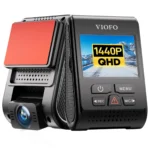 Best OverallVIOFO A119 V3Drivers who want one dependable front camera7.6/10
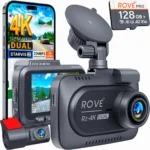 Best Two-Channel ValueROVE R2-4K DualFamilies wanting front and rear coverage7.7/10
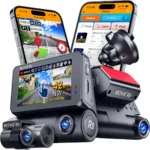 Best for Rideshare DriversROVE R3Rideshare and taxi drivers recording the cabin7.3/10
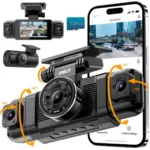 Best Four-Channel CoverageIIWEY N5Drivers wanting side and interior views7.3/10
Table of contents9 sections · tap to expand
At a glance
Our top picks compared
| Product | Best for | Video | Key features | Where to buy |
|---|---|---|---|---|
| 1. VIOFO A119 V3 Best Overall 7.6/10 | Drivers who want one dependable front camera | 2K front | Buffered parkingGPSSTARVISSupercapacitor | Budget Check price |
| 2. ROVE R2-4K Dual Best Two-Channel Value 7.7/10 | Families wanting front and rear coverage | 4K upscaled front + 1080p rear | Parking modeGPSWi-FiSTARVIS 2 | Mid-range Check price |
| 3. ROVE R3 Best for Rideshare Drivers 7.3/10 | Rideshare and taxi drivers recording the cabin | 2K front + 1080p rear + 1080p interior | Parking modeGPSWi-FiSupercapacitor | Premium Check price |
| 4. IIWEY N5 Best Four-Channel Coverage 7.3/10 | Drivers wanting side and interior views | 1080p front + 1080p rear + 1080p interior | Parking modeGPS5 GHz Wi-FiSupercapacitor | Budget Check price |
 5. 70mai T800E Best for Parking Protection 7.2/10 | Street parkers who want the kit included | 4K front + 1080p rear + 1080p interior | Parking modeGPSWi-FiSupercapacitor | Budget Check price |
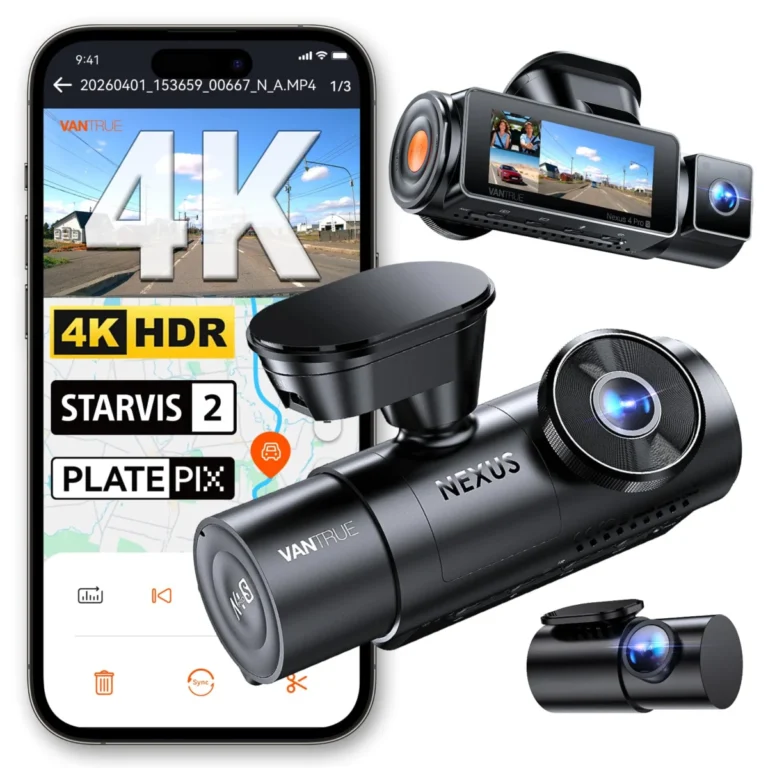
 6. Vantrue N4 Pro S Best for Hot Climates 7.1/10 | Hot-climate drivers wanting buffered parking | 4K front + 2.5K rear | Buffered parkingGPS5 GHz Wi-FiSTARVIS 2 | Premium Check price |
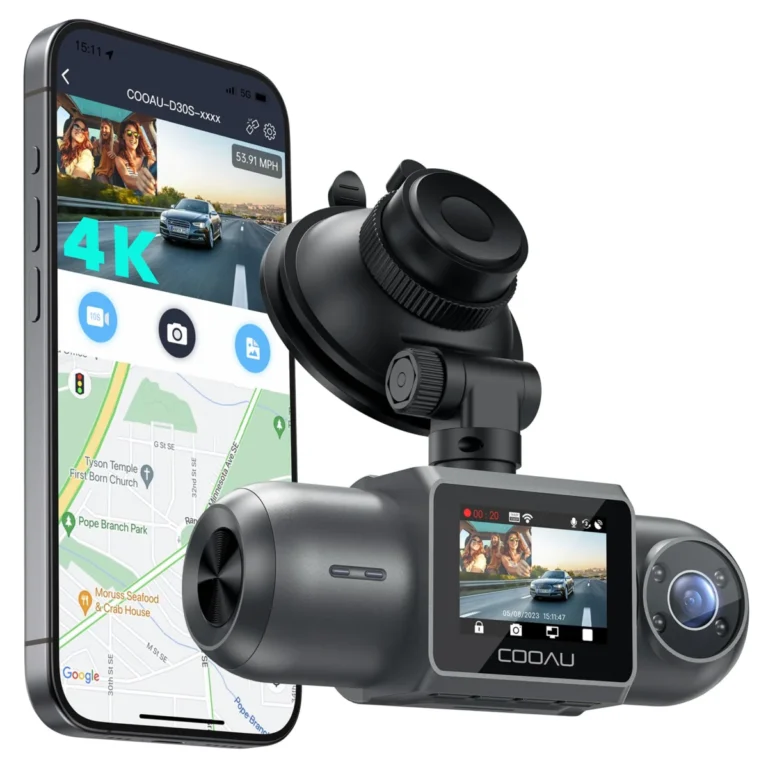
 7. COOAU D30S Best Budget Cabin Camera 7.1/10 | Budget rideshare and delivery drivers | 2.5K front + 1080p rear + 2.5K interior | Parking modeGPS (optional)Wi-FiSTARVIS 2 | Mid-range Check price |
Score: our 0-10 rating of each product from buyer ratings, review volume, completeness of the product details and availability. A product has the same score in every guide on this site; the order of this list also weighs how well each one fits this use. It is not a lab test.
Buying advice
How to choose a Pelsee dash cam for your car
Channel count decides most of the price
Channel count is the first decision because it sets both cost and installation work. A front-only camera covers the road ahead and nothing else; a two-channel setup adds a rear view for rear-end collisions and lane-change disputes; a three-channel setup adds a cabin camera for passengers and cargo. Decide which of those events you actually need to prove before comparing resolutions.
Resolution and sensor matter more at night than in daylight
A 1440p or 4K front channel reads plates better than 1080p in good light, but night legibility depends on the image sensor and HDR processing as much as the pixel count. Sony STARVIS and STARVIS 2 sensors are the ones to look for, and a wide aperture helps in dim conditions. A 1080p channel with a good sensor can beat a higher-resolution channel with a weak one.
Parking mode only works with extra power hardware
Parking recording needs the camera to stay powered after the ignition is off, which means a hardwire kit or OBD cable with low-voltage cutoff. Buffered parking mode is the most useful version because it saves the seconds before an impact, not just the impact itself. Check whether the kit is included or sold separately, since that changes the total cost.
Heat tolerance comes down to the power source
A supercapacitor stores charge without the flammable electrolyte of a lithium battery, so it tolerates a sun-baked windshield better and generally lasts longer. If you park outdoors in a hot climate, treat a supercapacitor as a requirement rather than a bonus, and check the camera's stated operating temperature range before buying.
Our picks
Pelsee Dash Cams and the Models Worth Comparing Against Them
Best Overall
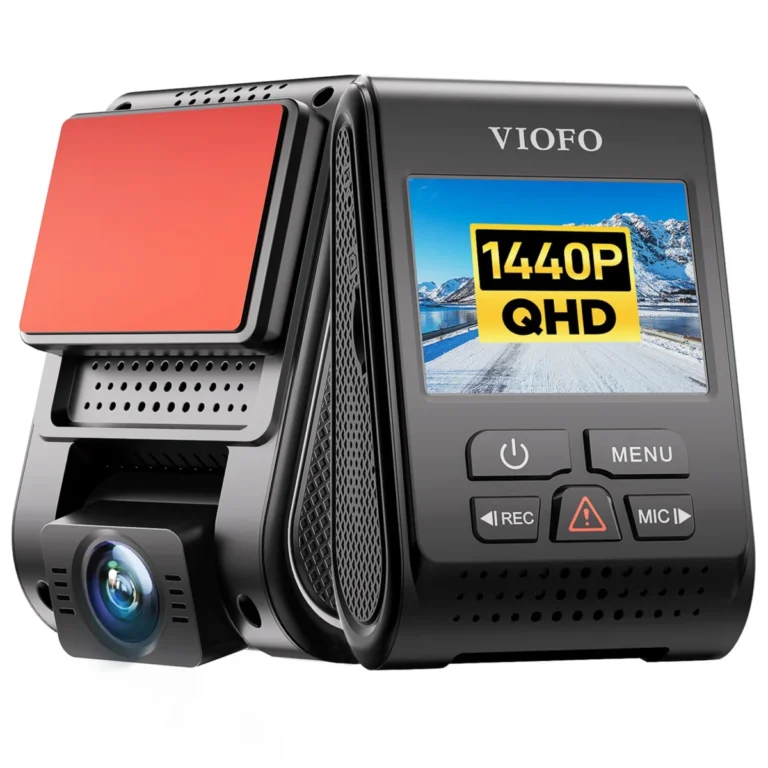
VIOFO A119 V3
- Front only
- 2K front
- Sony STARVIS
- Buffered parking
- GPS
- Supercapacitor
Best for: Drivers who want one dependable front camera
Price range: Budget
Check price on AmazonPaid link. We may earn a commission.
Best Overall: a single front camera that gets the fundamentals right, with 2K detail, GPS and buffered parking mode for drivers who want one dependable recorder.
What matters in daily use
The A119 V3 records 2K (1440p) at up to 60 fps on one front channel, with a 140-degree lens and a Sony STARVIS IMX335 sensor. Higher frame rate matters more than raw resolution for plate legibility in motion, and HDR helps balance headlights and shadows at night. There is no rear or interior camera, so a rear-end dispute relies on the front view alone; the ROVE R2-4K Dual covers both ends for a similar outlay.
Parking mode is the standout: Auto Event Detection buffers 15 seconds before and 30 seconds after an impact, alongside time-lapse and low-bitrate options. Buffered parking mode needs the VIOFO HK3 hardwire cable, sold separately, which also monitors voltage so the car battery is not drained. The supercapacitor suits hot dashboards better than a lithium battery, and microSD support runs to 256 GB.
Specifications
| Channels | 1 (front only) |
|---|---|
| Front video | 2K (1440p) |
| Sensor | Sony STARVIS (IMX335) |
| Frame rate | 60 fps (max) |
| Field of view | 140° |
| Parking mode | Yes (buffered, time-lapse, low bitrate) |
| Power | Supercapacitor (heat resistant) |
| Max storage | 256 GB microSD |
| GPS | Yes |
| Night video | HDR |
Pros
- 60 fps front footage aids plate reading in motion
- Buffered parking mode saves the moments before a bump
- Supercapacitor tolerates hot parked cars
- GPS stamps speed, time and route on files
Cons
- No rear or interior camera included
- Hardwire kit sold separately for parking mode
- 140-degree lens is narrower than most rivals
Best Two-Channel Value
ROVE R2-4K Dual
- 2-channel
- 4K front
- 1080p rear
- Sony STARVIS 2
- Parking mode
- GPS
Best for: Families wanting front and rear coverage
Skip if: You want the sharpest possible front footage or cabin recording for rideshare work.
Price range: Mid-range
Check price on AmazonPaid link. We may earn a commission.
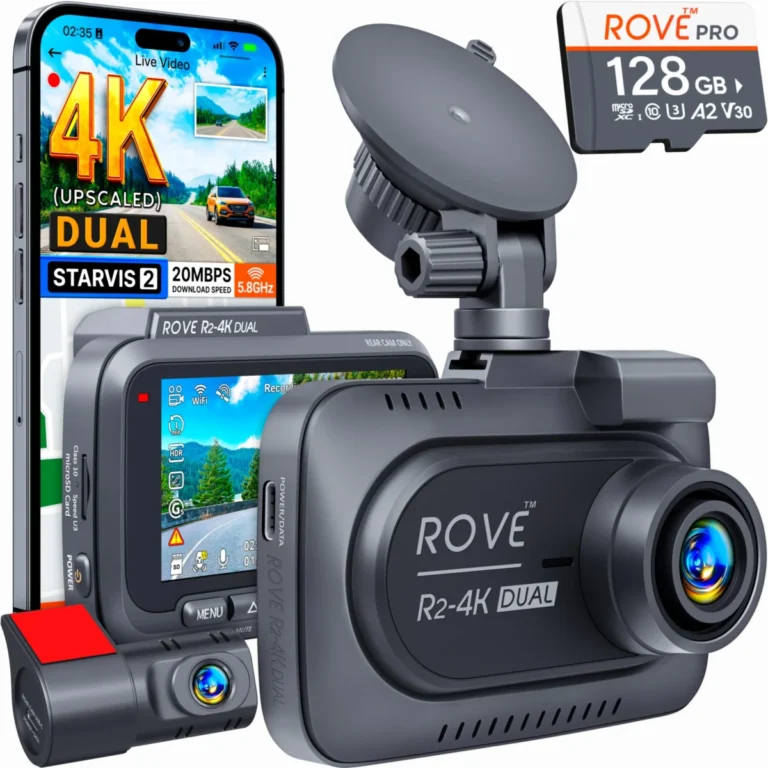
Best Two-Channel Value: front and rear coverage with a Sony STARVIS 2 sensor, a bundled 128GB card and app control, for families who want both ends recorded.
What matters in daily use
The R2-4K Dual records a front channel at 4K upscaled from 2.5K and a 1080p rear camera, so both directions are covered in one install. The front sensor is a Sony STARVIS 2 IMX675 with an F1.5 aperture and HDR, which is the part that matters after dark; the 4K figure is upscaled rather than native, so expect sharper everyday detail than a plain 1080p camera rather than true 4K texture.
Parking mode offers 1 fps time-lapse, motion detection and collision detection, and a hardwire kit is required but not included. The 5.8 GHz Wi-Fi app transfers clips at up to 20 MB/s, and the included 128GB card means no separate purchase on day one. Against the VIOFO A119 V3, it trades a little front-end frame rate for rear coverage and app convenience.
Specifications
| Channels | 2 (front + rear) |
|---|---|
| Front video | 4K (upscaled from 2.5K) |
| Rear video | 1080p (Full HD) |
| Sensor | Sony STARVIS 2 (IMX675) |
| Frame rate | 30 fps (max) |
| Field of view | 150° |
| Parking mode | Yes (time-lapse, motion detection, impact detection) |
| Hardwire kit | Sold separately (needed for parking mode) |
| Power | Supercapacitor (heat resistant) |
| GPS | Yes |
Pros
- Rear camera covers rear-end and tailgating disputes
- 128GB card included, so no extra purchase
- 5.8 GHz Wi-Fi makes phone downloads quick
- Supports microSD cards up to 1TB
Cons
- Front 4K is upscaled, not native
- Hardwire kit not included for parking mode
- Rear cable may be tight on long SUVs
Best for Rideshare Drivers
ROVE R3
- 3-channel
- 2K front
- 1080p rear
- Parking mode
- GPS
- Wi-Fi app
Best for: Rideshare and taxi drivers recording the cabin
Skip if: You only need front and rear coverage and would rather spend less on a two-channel camera.
Price range: Premium
Check price on AmazonPaid link. We may earn a commission.
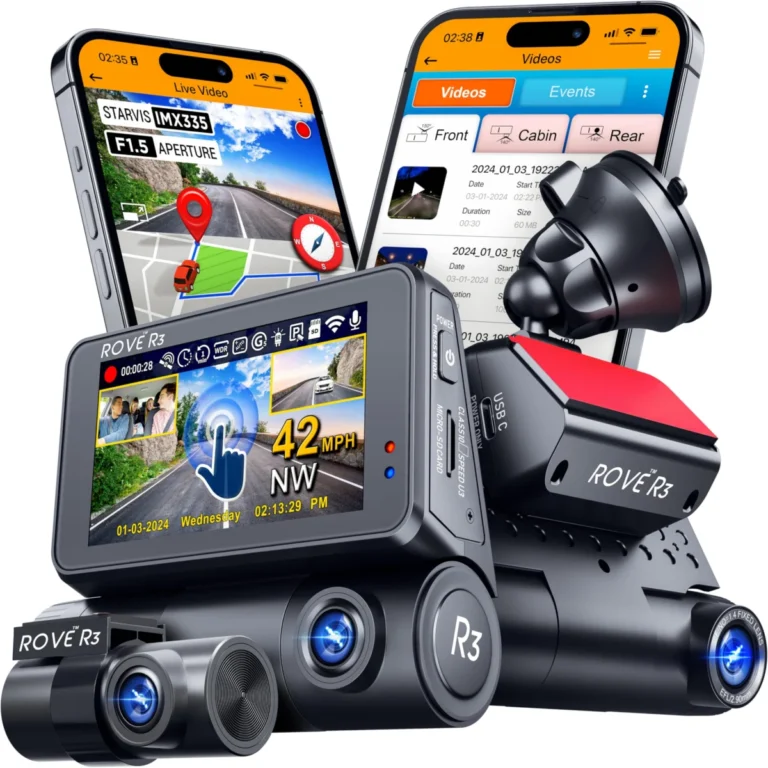
Best for Rideshare Drivers: three channels record the road, the cabin and behind the car, with infrared cabin lighting and a touchscreen for drivers who carry passengers.
What matters in daily use
The R3 records front at 2K (1440p), rear at 1080p and interior at 1080p, all at once, which is the combination rideshare and taxi drivers need when a fare dispute or an incident inside the car has to be documented. Four hidden infrared LEDs light the cabin in complete darkness, so interior footage does not depend on street lighting. The 3-inch IPS touchscreen and single-button design keep settings reachable without a phone.
Storage runs to 512 GB, the largest here, which suits long shifts and multi-day retention; the supercapacitor handles summer heat better than a battery. Parking mode is time-lapse only, so it lacks the buffered pre-impact recording of the Vantrue N4 Pro S, and no memory card is included. Compared with the ROVE R2-4K Dual, the R3 adds the cabin camera but gives up front resolution.
Specifications
| Channels | 3 (front, rear, interior) |
|---|---|
| Front video | 2K (1440p) |
| Rear video | 1080p (Full HD) |
| Interior video | 1080p (Full HD) |
| Frame rate | 60 fps (max) |
| Field of view | 150° |
| Parking mode | Yes (time-lapse) |
| Power | Supercapacitor (heat resistant) |
| Max storage | 512 GB microSD |
| GPS | Yes |
Pros
- Cabin camera documents passengers and fare disputes
- Infrared LEDs record the interior in total darkness
- 512GB card support suits long shifts
- Touchscreen makes settings changes quick
Cons
- Parking mode is time-lapse only, not buffered
- Memory card not included in the box
- Front resolution lower than the ROVE R2-4K Dual
Best Four-Channel Coverage
IIWEY N5
- 4-channel
- 1080p front
- 1080p rear
- Parking mode
- GPS
- 5 GHz Wi-Fi
Best for: Drivers wanting side and interior views
Skip if: You want a camera that does not depend on its own charger for power.
Price range: Budget
Check price on AmazonPaid link. We may earn a commission.
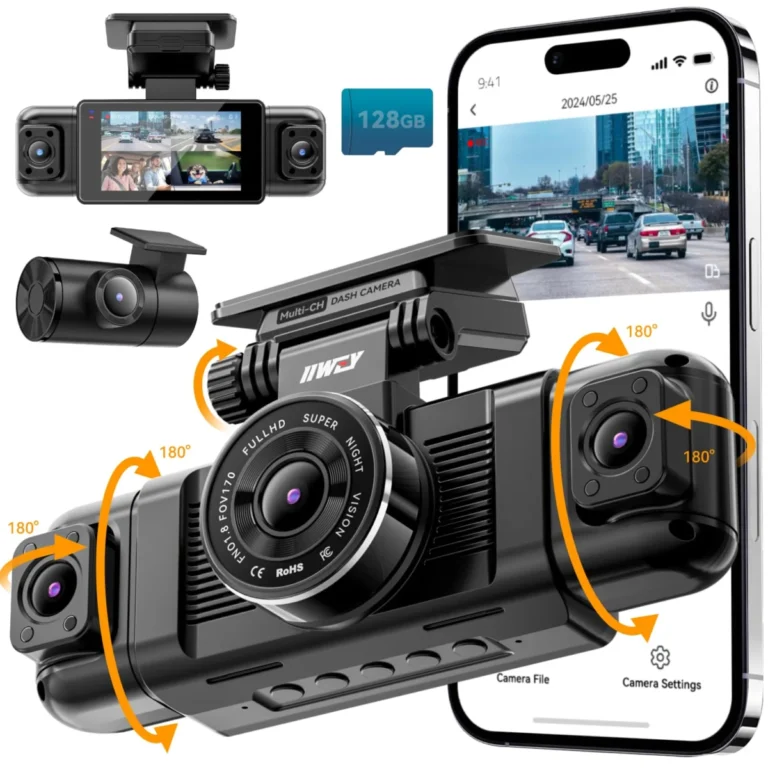
The IIWEY N5 earns Best Four-Channel Coverage because it records front, rear and both sides at 1080p for a full 360-degree view, something no other pick here offers.
What matters in daily use
The N5 is the only camera in this guide that records four channels at once, combining front, rear, left and right views into 360-degree coverage at 1080p each, or a sharper 2.5K front option. For a driver worried about side-impact disputes or parking-lot scrapes, that extra field of view is the whole point, and the 170-degree front and rear lenses plus 150-degree side lenses leave fewer blind spots than the ROVE R3's three-channel setup.
Two limits matter before buying. The N5 must run from its original cigarette lighter charger, not a USB or Type-C cable, and its 5 GHz Wi-Fi shuts off after five idle minutes to manage heat, so app transfers need to happen promptly. Its GPS stamps route and speed onto the footage, matching what the 70mai T800E and Vantrue N4 Pro S provide.
Specifications
| Channels | 4 (front, rear, left, right or interior) |
|---|---|
| Front video | 1080p (Full HD) |
| Rear video | 1080p (Full HD) |
| Interior video | 1080p (Full HD) |
| Field of view | 360° |
| Parking mode | Yes (time-lapse, impact detection) |
| Hardwire kit | Sold separately (needed for parking mode) |
| Power | Supercapacitor (heat resistant) |
| Max storage | 256 GB microSD |
| GPS | Yes |
Pros
- Only pick here recording four channels at once
- Side cameras cover blind-spot and side-impact disputes
- Supercapacitor tolerates hot parked cars
- 128 GB card included and already fitted
Cons
- Must use the original cigarette lighter charger
- Wi-Fi auto-off after five idle minutes
Best for Parking Protection
70mai T800E
- 3-channel
- 4K front
- 1080p rear
- Parking mode
- GPS
- Wi-Fi app
Best for: Street parkers who want the kit included
Skip if: You want buffered parking clips that include the seconds before impact.
Price range: Budget
Check price on AmazonPaid link. We may earn a commission.
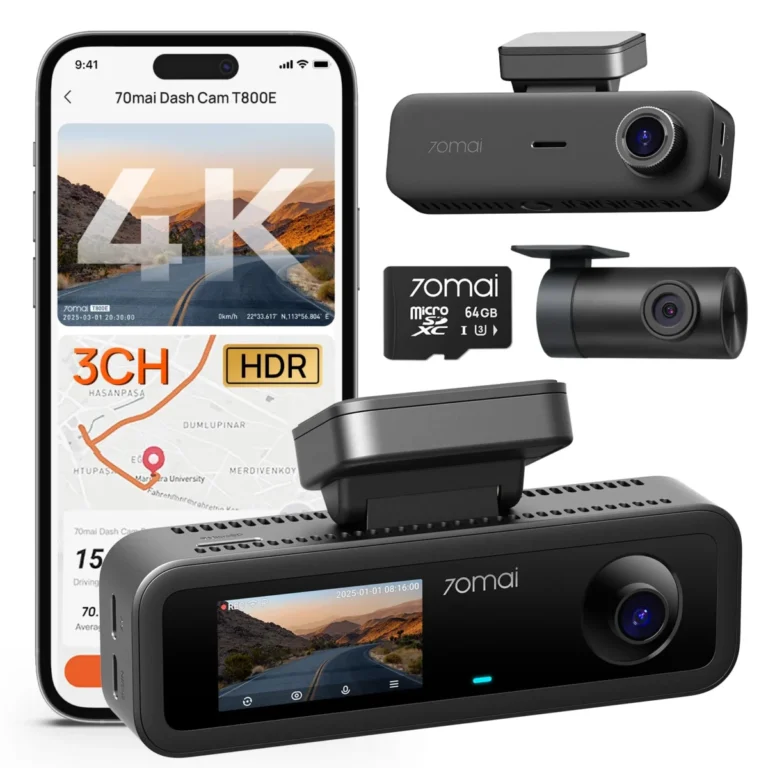
The 70mai T800E takes Best for Parking Protection because it is the only pick that includes the hardwire kit, so 24/7 parking monitoring works without a separate purchase.
What matters in daily use
Parking mode normally means buying a hardwire kit separately, which is why the T800E stands out: the kit is in the box, so impact detection while parked works from day one. Its 4K front channel plus 1080p interior and rear cover rideshare and family driving, and the switchable infrared interior camera keeps cabin footage usable after dark, matching the Vantrue N4 Pro S for night cabin detail.
The tradeoff is parking depth. The T800E records on impact detection rather than buffered capture, so it misses the seconds before a bump, while the Vantrue N4 Pro S saves the ten seconds leading up to an event. Wi-Fi 6 transfers files quickly and voice control handles locking clips hands-free, but the 64 GB card fills faster than the 512 GB maximum allows.
Specifications
| Channels | 3 (front, rear, interior) |
|---|---|
| Front video | 4K (2160p) |
| Rear video | 1080p (Full HD) |
| Interior video | 1080p (Full HD) |
| Frame rate | 30 fps (max) |
| Field of view | 140° |
| Parking mode | Yes (impact detection) |
| Hardwire kit | Included |
| Power | Supercapacitor (heat resistant) |
| Max storage | 512 GB microSD |
Pros
- Hardwire kit included, unlike every other pick
- 4K front footage with 1080p cabin and rear
- Switchable infrared interior camera for night rides
- Voice control locks clips without touching the camera
Cons
- Impact detection only, no buffered pre-roll
- 64 GB card is small for three channels
- 4G connectivity not supported
Best for Hot Climates
Vantrue N4 Pro S
- 3-channel
- 4K front
- 2.5K rear
- Sony STARVIS 2
- Buffered parking
- GPS
Best for: Hot-climate drivers wanting buffered parking
Skip if: You want the parking hardwire kit and memory card included in the box.
Price range: Premium
Check price on AmazonPaid link. We may earn a commission.
The Vantrue N4 Pro S earns Best for Hot Climates because its supercapacitor, triple STARVIS 2 sensors and buffered parking mode hold up where heat and night plate reading decide the purchase.
What matters in daily use
Three STARVIS 2 sensors drive the N4 Pro S, with a 4K front, 2.5K rear and 1080p interior recording at 30 fps and HDR balancing exposure. The rotating 2.5K rear camera can swing to watch the trunk or traffic, and switching to front-and-rear mode cuts heat by roughly 30 percent, which matters in a hot climate where triple recording runs warmer. The supercapacitor avoids the battery swelling that lithium cells risk in summer heat.
Buffered parking mode is the feature the 70mai T800E lacks: motion and impact events are captured from ten seconds before they happen, with all three cameras active. The 20-foot rear cable suits most SUVs and trucks, and the 18-month warranty is the longest stated here. No memory card is included, so budget for a high-endurance card alongside the camera.
Specifications
| Channels | 3 (front, rear, interior) |
|---|---|
| Front video | 4K (2160p) |
| Rear video | 2.5K (1600p) |
| Sensor | Sony STARVIS 2 (IMX678) |
| Frame rate | 30 fps (max) |
| Field of view | 360° |
| Parking mode | Yes (buffered, motion detection, impact detection) |
| Hardwire kit | Sold separately (needed for parking mode) |
| Power | Supercapacitor (heat resistant) |
| GPS | Yes |
Pros
- Buffered parking mode saves pre-impact footage
- Triple STARVIS 2 sensors aid night plate reading
- Front-and-rear mode reduces heat about 30 percent
- 20-foot rear cable fits most SUVs and trucks
Cons
- Hardwire kit sold separately for parking mode
- No memory card included in the package
- Triple-channel recording runs warmer than dual mode
Best Budget Cabin Camera
COOAU D30S
- 3-channel
- 2.5K front
- 1080p rear
- Sony STARVIS 2
- Parking mode
- GPS optional
Best for: Budget rideshare and delivery drivers
Skip if: You want native 4K front video or built-in GPS without buying an add-on module.
Price range: Mid-range
Check price on AmazonPaid link. We may earn a commission.
The COOAU D30S earns Best Budget Cabin Camera because it pairs a 2.5K front lens with a 2.5K interior camera and four infrared LEDs for rideshare and delivery drivers who need cabin footage without paying flagship prices.
What matters in daily use
The D30S records three channels: front at 2.5K, interior at 2.5K, and rear at 1080p, all at 30 fps, with a 170-degree front view. For rideshare and delivery drivers, the 2.5K interior camera is the standout: it captures passenger behavior in more detail than the 1080p cabin cameras on the ROVE R3 and 70mai T800E, and four infrared LEDs let it record in complete darkness.
The Sony STARVIS 2 sensor and f/1.8 aperture support low-light footage, though the front channel drops to 2.5K rather than the 4K of the Vantrue N4 Pro S.
Parking protection covers time-lapse, motion detection, and impact detection, but the hardwire kit is sold separately, so street parkers should factor that cost in. Storage tops out at 256 GB, lower than the 512 GB or 1 TB limits of the ROVE R3 and Vantrue N4 Pro S, and GPS is listed as optional rather than built in. The supercapacitor helps the D30S tolerate hot cars, a meaningful advantage over battery-powered cabin cameras in hot climates.
Specifications
| Channels | 3 (front, rear, interior) |
|---|---|
| Front video | 2.5K (1600p) |
| Rear video | 1080p (Full HD) |
| Interior video | 2.5K (1600p) |
| Sensor | Sony STARVIS 2 |
| Frame rate | 30 fps (max) |
| Field of view | 170° |
| Parking mode | Yes (time-lapse, motion detection, impact detection) |
| Hardwire kit | Sold separately (needed for parking mode) |
| Power | Supercapacitor (heat resistant) |
Pros
- 2.5K interior camera beats 1080p cabin rivals
- Four IR LEDs record passengers in complete darkness
- Supercapacitor handles hot parked cars
- Three-channel coverage at a budget price
Cons
- Hardwire kit sold separately for parking mode
- GPS is optional, not built in
- 256 GB storage limit is modest
Do you need a rear or interior camera on a Pelsee dash cam?
A front-only camera answers one question: what happened ahead of you. Add a rear channel and you can show a rear-end collision from your own car rather than relying on the other driver's account. Add an interior channel and you also record passengers and the cabin, which is the reason rideshare, taxi and delivery drivers move to a three-channel setup.
Match the channel count to the risk you actually carry. Commuters and new car owners who mostly want a record of the road ahead can stay with a single front camera and spend the difference on a higher resolution front channel. Drivers who carry paying passengers, or who park in shared lots where a hit-and-run is plausible, get more from a second or third camera than from a sharper single view.
What you need to buy with a Pelsee dash cam
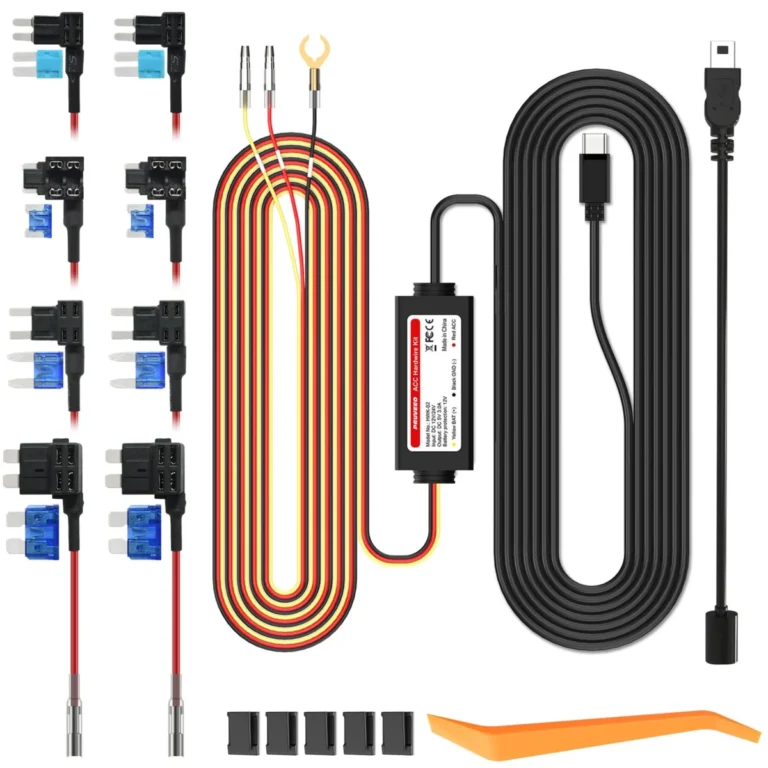
Two extras decide whether the camera does everything it promises. Parking mode on most dash cams, including the models here, needs a hardwire kit or OBD power cable that keeps the camera powered after the ignition is off; the kit also carries the low-voltage cutoff that stops the camera from draining the car battery. Without it, parking recording simply does not run.
The second extra is the memory card. Dash cams write continuously and overwrite old files, which wears out ordinary cards quickly, so a high-endurance microSD rated U3 or V30 is the safer choice.
Decision guide
Mirror-Style or Windshield Dash Cam: Which Fits Your Car?
A mirror-style dash cam replaces or clips over the rear-view mirror and shows the rear view on a wide display, which suits drivers who want a factory-looking install and a large screen without a second device on the glass. A windshield dash cam mounts beside the mirror instead, keeps the mirror free and usually offers more mounting angles and easier cable routing. Neither form factor is inherently better; the deciding factor is whether you want the display in the mirror or on a separate body.
Between the picks here, the choice usually comes down to channels rather than brand. The VIOFO A119 V3 is the simplest and sharpest single-channel option, with 2K at 60fps and buffered parking mode once a hardwire kit is fitted.
The ROVE R3 and Vantrue N4 Pro S add a cabin and rear camera for rideshare and family use, while the 70mai T800E is the one to pick if you want the parking hardware included rather than bought separately. The IIWEY N5 goes furthest with four channels for side coverage, at the cost of 1080p on every channel.
Our process
How we chose our pelsee dash cam picks
Models were shortlisted for how well they cover the channel counts, parking modes and heat tolerance that dash cam buyers actually decide on, then ranked on specifications, build and power source, design, buyer feedback and value. Resolution, sensor type, parking features, storage limits and included accessories were compared like for like, and no camera was ranked on price alone. Where a specification was not published, it was left out rather than estimated.
See also: 7 Dash Cams Ranked for Commuters, Rideshare Drivers and Street Parkers.
Common questions
Frequently asked questions
Are Pelsee dash cams worth it?
They are worth considering if a specific model matches your channel needs and you accept that parking mode needs a hardwire kit bought separately. Compare the sensor, resolution and power source against the alternatives here before deciding, because those three specifications affect night footage and hot-weather reliability more than the brand name.
Which Pelsee dash cam is best for Uber or Lyft driving?
A three-channel model that records the cabin as well as the road ahead and behind is the right shape for rideshare work, since passenger incidents happen inside the car. Look for an interior camera with infrared LEDs for night pickups and a supercapacitor for the heat that builds up between fares.
Do Pelsee dash cams record while the car is parked?
Parking recording is available on models that support it, but it needs a hardwire kit or OBD power cable to keep the camera running after the ignition is off. That cable also provides low-voltage cutoff, which shuts the camera down before it flattens the car battery.
Does a Pelsee dash cam need a subscription?
No subscription is required for recording, playback or app transfer on the cameras in this guide; the Wi-Fi app connection and GPS data are included with the hardware. Only cloud or LTE features, where a model offers them, depend on a separate data plan.
What size microSD card does a Pelsee dash cam take?
Capacity depends on the model, with 256GB common on two and three-channel cameras and 512GB supported on some. Choose a high-endurance U3 or V30 card rather than a standard one, because continuous loop recording wears out ordinary cards quickly.
Bottom line
Final verdict
- Most drivers: VIOFO A119 V3. It delivers the sharpest single-channel footage here at 2K 60fps with buffered parking mode and a heat-tolerant supercapacitor, provided you add the hardwire kit for parking use.
- Rideshare and taxi drivers: ROVE R3. The ROVE R3 records front, rear and cabin at once with infrared interior night video, which is the combination that covers passenger incidents as well as the road.
- Street parkers: 70mai T800E. The 70mai T800E is the pick when you want parking monitoring without buying the power hardware separately, and it adds 4K front footage and voice control.
- Hot-climate drivers: Vantrue N4 Pro S. The Vantrue N4 Pro S pairs triple STARVIS 2 sensors and buffered parking mode with a supercapacitor and a 1TB storage ceiling for long, hot-weather recording.
Keep reading
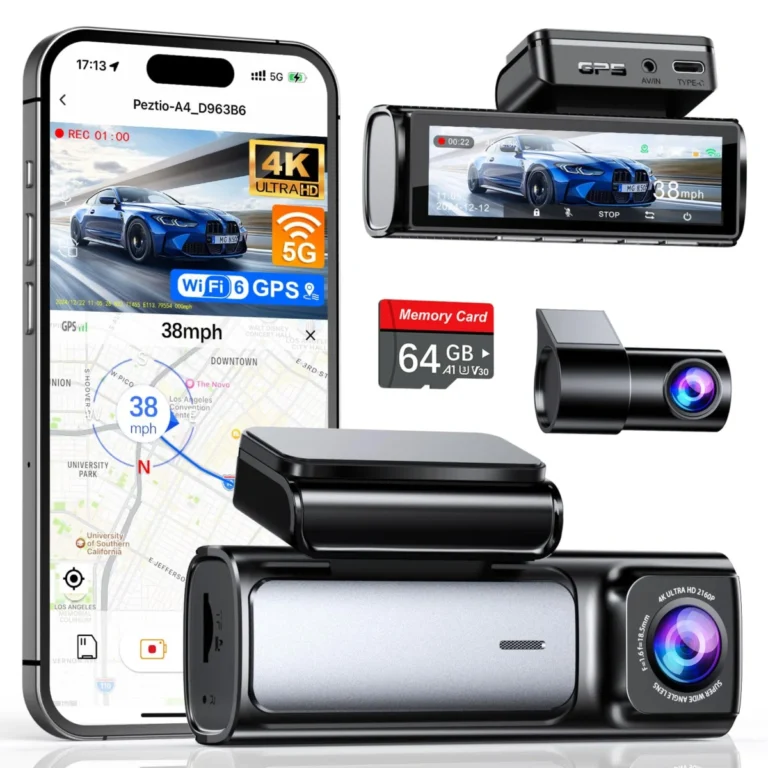
7 Best Affver Dash Cam (2026), Matched to How You Use Them
The Affver A4 leads seven dash cams matched to how you drive and park, from front-only heat tolerance to cabin coverage for…
Viofo A119 V3 Review: Is a Front-Only 2K Dash Cam Still Worth It in 2026?
Viofo A119 V3 review: night video quality, parking mode and heat tolerance, honest pros and cons, and a clear verdict on who…
How to Set Up Dash Cam Parking Mode: Wiring, Cutoff and Settings
To set up dash cam parking mode, give the camera a constant power source (a fused fuse-box connection or an OBD cable,…
Final decision
Compare two finalists
Choose the two picks you narrowed down to see who each one suits and the main reason to skip it.